
Ebuzz News
HIV Infections On The Rise Among Caribbean Youth. 71% New Infections, Among Girls.

Just as popular dancehall artiste Shenseea prepares for the unveiling of her most recent video for the single, ‘Dating SZN’, there is alarming news that HIV infections among young people in the Caribbean are on the rise.

The Multi-Country Director of the Joint United Nations Programme on HIV/AIDS (UNAIDS), Dr. Richard Amenyah, revealed statistics which highlights that 27% of new cases in 2023 affect those aged 15-24—up from just 15% in 2020. Dr. Amenyah warns that without urgent action and innovative strategies, the region risks falling further behind in the fight against this epidemic, jeopardizing the future of the region’s youth.
Despite global efforts, the decline in new infections among adolescents and youth has not been sufficient to control the epidemic. Dr. Amenyah says young people between the ages of 15 and 24 represented 28 percent of new HIV infections worldwide in 2023. In the Caribbean, this group accounted for 27% of the 15,000 new cases reported, a significant increase from just 15% in 2020. Additionally, 25% of all pregnant women living with HIV globally are between 15 and 24 years old.
“This rising proportion warrants further investigation and serious attention if we are to end AIDS as a public health threat by 2030,” said Dr. Amenyah. He explained that in 2023, “71% of new HIV infections among adolescents aged 10-19 years, were among girls.
Issues such as social norms and a lack of comprehensive sexuality education have made HIV prevention challenging. Stigma around HIV further deters young people, “Fear of rejection by peers and family members forces many young people to hide their HIV status,” Dr. Amenyah stated. He also noted that mental health services tailored to the needs of HIV-positive youth are often limited.
BASICS OF HIV PREVENTION :
- Protect yourself during sex: To reduce your risk of getting HIV, use condoms correctly every time you have sex.
- Protect yourself if you inject drugs: Do not inject drugs. If you do, use only sterile injection equipment and water, and never share your equipment with others.
- Protect yourself by taking PrEP: If you do not have HIV but are at risk of getting HIV, talk to your health care provider about pre-exposure prophylaxis (PrEP). PrEP involves taking a specific HIV medicine every day or an injectable HIV medicine every two months to reduce the risk of getting HIV through sex or injection drug use.
- Protect others if you have HIV: Take HIV medicine (called antiretroviral therapy or ART) as prescribed by your doctor. ART can reduce the amount of HIV in the blood (called viral load) to the point where a test cannot detect it (called an undetectable viral load). If you have an undetectable viral load, you will not transmit HIV to your partner through sex.
- Prevent perinatal transmission: If you have HIV and take HIV medicine as prescribed by your doctor throughout pregnancy and childbirth, the chances of transmitting HIV to your baby are less than 1%. If you have a partner with HIV and are considering getting pregnant, talk to your doctor about PrEP to help protect you and your baby from getting HIV while you try to get pregnant, during pregnancy, or while breastfeeding.

Around the World
Dominica, Martinique Connect in the Name of Bouyon, Just in Time For World Creole Festival This Weekend.

Dominican Bouyon artiste Reo (Dario Sebastien) is heating up YouTube with his latest release, “Jolie BB,” a collaboration with Martinique’s Maurane Voyer. In just a week since its release, the official music video racked up an impressive 115,000 plus views on YouTube, drawing attention to the song among French-speaking audiences and highlighting the potential for Bouyon to reach new listeners across Martinque and the wider French Caribbean.
Building Connections In the Name of Music.
For Reo, this represents an opportunity to build stronger connections between Dominica and Martinique, expand Bouyon’s reach and open new markets for Dominican artistes. “It’s a good opportunity to connect Dominica and Martinique. We don’t have that much of a relationship musically, so let’s do it to push Bouyon in Martinique and build that relationship,” Reo explained.
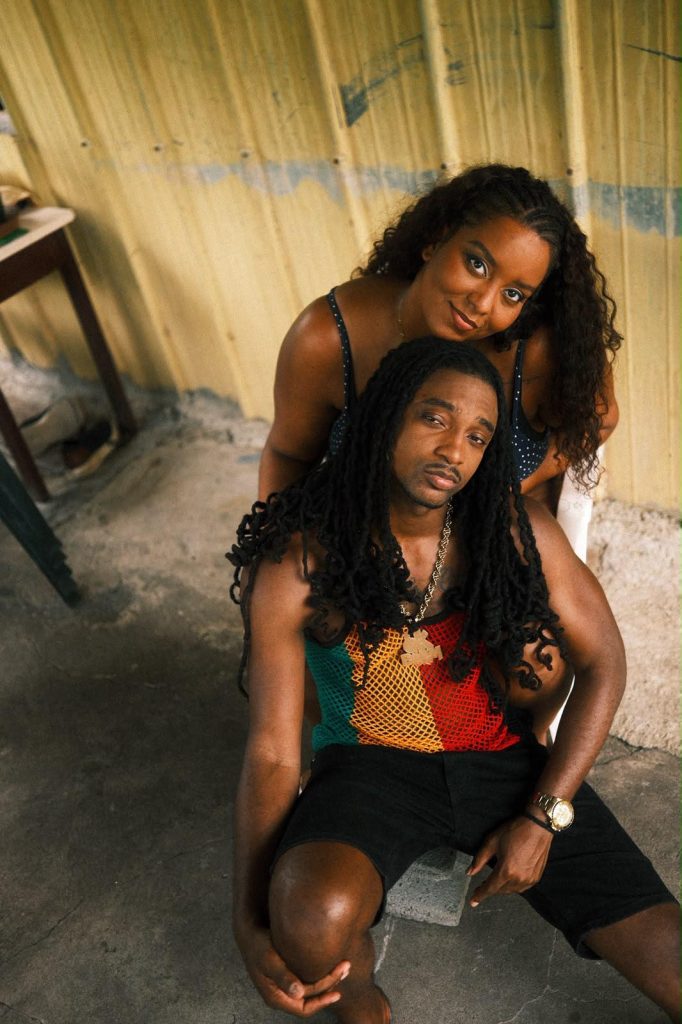
Voyer shares that vision. Already familiar with Reo’s music and a longtime admirer the Dominican genre, she saw the collaboration as an opportunity to bring their musical worlds together. “I was already familiar with Reo’s universe. I knew a lot of songs, and I always loved Bouyon music,” she said.
The two artistes met in July while performing at the same festival in Saint Barts. Voyer approached Reo about working together in the studio, and the idea soon became a reality when they reunited in Guadeloupe at HMC Studio, where the artistes began developing the song.
Reo developed the concept for the song with Voyer contributing her vocals. The beat was produced by Guadeloupe’s own YSN and mixed in Dominica by Dernz (Dernel Green). Reo insisted on the addition of live drums to preserve Bouyon’s Dominican identity in the bi-lingual song. That distinction was particularly important to the collaboration. Voyer explained that the Bouyon most familiar to audiences in Martinique has traditionally come from Guadeloupe, while interest in the original Dominican sound has grown in recent years.
Taking A Look at What Unifies.
“In Martinique, the first Bouyon that we know is from Guadeloupe. And it’s maybe since three years that we are more and more interested in the real Bouyon, the Bouyon from Dominica,” she said. For her, the recording process also offered a valuable opportunity to explore the similarities and differences between their cultures. “It was very interesting to see what differences we have and also what brings us together. I really enjoyed it,” she said.
The creative partnership extended to the music video, where Reo contributed ideas that helped the team bring their vision to life within a short timeframe. The response has been encouraging. “I get a lot of messages from different kinds of people, women, men, of all kinds of ages. And I’m happy to see that they like the song, the radios too,” said Voyer.
Beyond the immediate response, both artistes hope the collaboration will encourage more musical exchanges between Caribbean territories that do not always connect as frequently as they could. Stronger relationships with French Caribbean artistes, radio stations, DJs, promoters and audiences could create additional performance opportunities and revenue streams for Dominican Bouyon artistes seeking to expand their reach.
“Martinique for example, is another market for Bouyon artistes to build their fan base and get bookings. We can literally see Martinique from Dominica, it should not feel so far away,” he added.
The collaboration is particularly timely as Voyer prepares to visit Dominica for the World Creole Music Festival this weekend, where Reo will also perform. She described working with Reo ahead of her first visit to the island as an exciting opportunity to establish a musical connection before experiencing Dominica firsthand.
The release also builds on Reo’s recent international momentum following the success of his La Vie Dou Tour in New York and London. With previous million-view songs including “Sa Ka Bay” feat. DJ Bling (2.9m views), “Doudou” with Litleboy (3.8m views), “You Mad” (1.5m views), and La Vie Doux feat. T éhilah (2.8 m views), Reo continues to pursue opportunities to introduce his music to audiences outside Dominica.
With Jolie BB, Reo and Voyer have combined their respective musical influences to create a collaboration that celebrates both their differences and common ground. Its early YouTube performance provides an encouraging start, while the wider ambition is to turn that attention into lasting connections between the music communities of Dominica, Martinique and the wider Caribbean.
The official music video for “Jolie BB” by Reo featuring Maurane Voyer is available now on YouTube.

Ebuzz News
Tobago’s Trendsetter Goofy, A Different Kind of Cultural Ambassador. Show Some Respect.
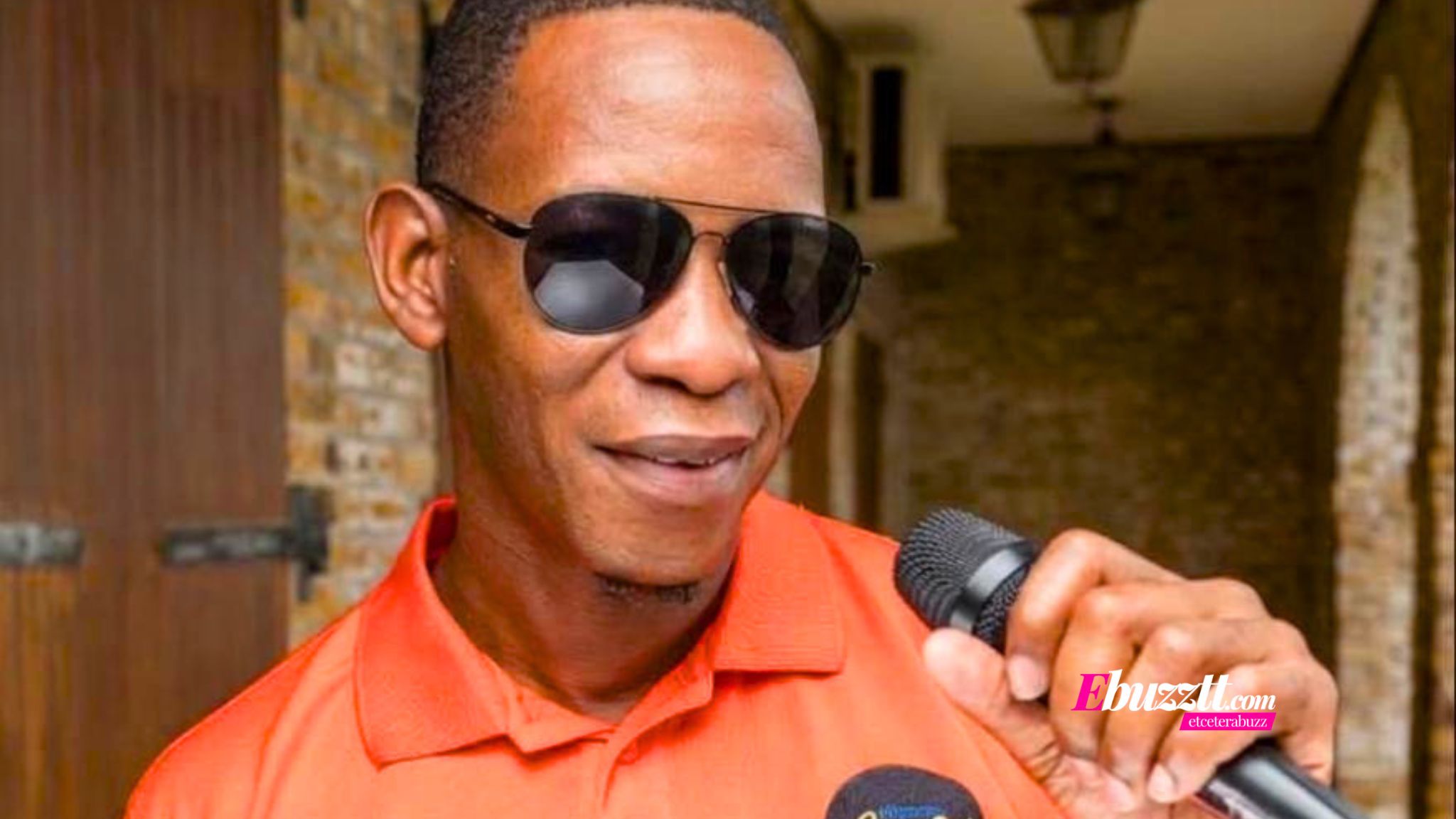
As Tobago Carnival looms, one artiste who wears the hat of DJ as well, is being singled out as an example of cultural ambassadors who seldom receive the love and support they tremendously deserve.
Trendsetter Goofy, a Soca artist and international DJ from Tobago. In 2025, he took a significant step forward with his first European tour, including an appearance at Munich Carnival in Germany, where he represented Tobago, alongside performances in Frankfurt, Amsterdam and Rotterdam. His international appearances also extended to Toronto and Miami. His efforts have gone by relatively unnoticed by the general public at home in T&T.
In a statement shared by Marion Nwankwo, she notes there is a strong will to change this sad reality. “They pay out of their own pockets. They sacrifice time with their families, take leave from their jobs, face financial setbacks and travel thousands of miles, all to share the music and culture of Trinidad and Tobago with the world. Yet, too often, their stories go untold,” Marion says.
Noting that people like Trendsetter Goofy are “a different kind of cultural ambassador,” she says they are quietly making an impact. “These are the independent artistes and DJs who believe in their music so deeply that they are willing to invest their own hard-earned money, take personal risks and create opportunities for themselves when the industry does not open its doors for them,”she adds.
Trendsetter Goofy is Daren Phillips. This season, he released ‘Take Ah Drink’ on the Bumper Sticker Riddim. He followed that up with ‘This Is Life.’ Marion, in her statement said, “His story raises a question that deserves our attention. Why do we so often celebrate our culture on the world stage without giving enough recognition to the people who personally sacrifice so much to bring it there?”
Trendsetter Goofy, a Soca artist and international DJ from Tobago who is building his career through determination, personal investment and an unwavering commitment to his craft. His journey is a powerful example of the dedication required to represent his homeland internationally, often without the financial rewards or public recognition that such efforts deserve.
Last year, he took a significant step forward with his first European tour, including an appearance at Munich Carnival in Germany, where he represented Tobago, alongside performances in Frankfurt, Amsterdam and Rotterdam. His international appearances also extended to Toronto and Miami. “Behind these achievements were not only performances and travel, but also the realities of everyday life: arranging time away from work, making family commitments work, investing personal resources and dealing with opportunities that did not always go to plan,” shared Marion.
This heartfelt plea for consideration to the less publicly known creatives and cultural ambassadors comes as Tobago announces its first ever Road March competition on the island. It begs the question : Who are the Tobago artistes in the race and are the contenders all known to the public at large who will be in attendance at this year’s Carnival in Tobago?

-

 Around the World4 days ago
Dominica, Martinique Connect in the Name of Bouyon, Just in Time For World Creole Festival This Weekend.
-

 Ebuzz News5 days ago
Terri Lyons: “It feels as Though We Are Losing our Icons Right Before our Eyes.”
-

 Ebuzz News5 days ago
Tobago’s Trendsetter Goofy, A Different Kind of Cultural Ambassador. Show Some Respect.