
Caribbean Buzz
Archived: Calls for Solidarity with Haiti as New Migrants Face Expulsion from the US.

The United States’ Mexican border has seen a sudden surge in the arrival of Haitian migrants, this as families, devastated by the effects of July’s 7.2 magnitude earthquake and the assassination of the country’s President on July 7th this year, flee their homeland, seeking asylum. Media reports put the number of migrants presently gathered beneath the international bridge in Del Rio at 8,600. There are many children among them. Many of those who arrived on US soil have however been returned to Haiti on what is termed, expulsion flights. The Associated Press news agency said two U.S. officials said single adults were the priority for expulsion flights.

As the situation becomes a focus in the media and on social platforms, many are voicing concern and calling for empathy. Popular event DJ, Young Chow, in a social media post wrote, “My Haitian brothers and sisters, I’m praying for you all.” His post came beneath a powerful image with the words, “HAITIAN LIVES MATTER,” and followed by other images that are making the rounds.
Well known Grenadian American comedian, Amanda Seales who is never silent on matters affecting the black community, on Tuesday posted a video and expressed that the black community does not have a shared focus. She lamented that an image of a border patrol officer attempting to capture one of the migrants using what appears to be a whip, is proof that history is being repeated. Seales wrote, “Our focus is splintered and I believe the demons have crawled back up to the surface through the fissures of our divide. May these souls find a place of peace on this planet where they may plant roots.”
Some Haitian migrants are already being held in deportation centres in Mexico. If they are not seeking asylum in Mexico, they will be flown to Haiti as soon as expulsion flights from Mexico commence.
On Monday, Homeland Security Secretary Alejandro Mayorkas, speaking in a media conference warned migrants, “If you come to the United States illegally, you will be returned, your journey will not succeed, and you will be endangering your life and your family’s life.”
There has since been reports that some Haitians have been freed on a “very, very large scale” in recent days; this according to a AP report.

Caribbean Buzz
The Bar Is Being Set. Flowers All Inclusive to Up The Game in Point Fortin, This Weekend.
It’s a brand new concept being brought to life, in Point Fortin, however its impact, according to organizers, is already proving immense. The annual Point Fortin Borough celebrations, culminates this weekend and on Sunday, an event with a bigger purpose at heart, is anticipated to draw a massive crowd to fete, for the greater good.
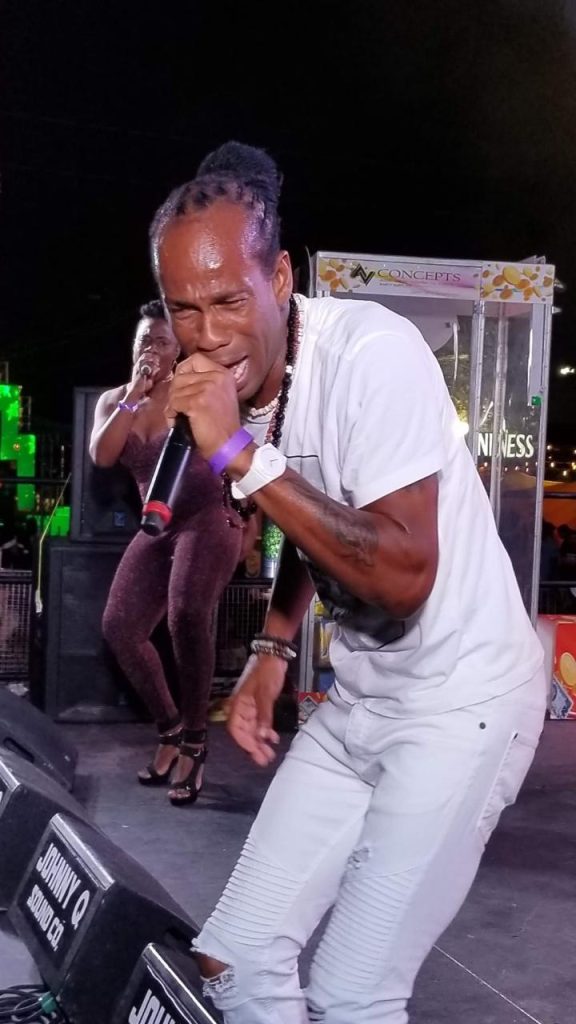
Naya George and Anson George spoke exclusively with Ebuzztt.com ahead of the all inclusive experience. They’re excited to see their vision come to life. Anson, a well known name on the carnival and entertainment circuit, is known for his strong involvement in the BeachHouse Carnival brand. “It’s going to be on par with BeachHouse,” he assured, asserting ‘Flowers’ as the new ‘must attend’ fete in Borough Day festivities. “There are other events happening on Sunday in Point Fortin but there’s no other event of this caliber, happening,” said Anson, explaining that a few tickets are still available for those who still want to get in.
For Naya, the effort is less about business, and more about purpose. “We are partying with a purpose. We want to let people know that this isn’t just about feting. This is the only party that’s happening in Point Fortin that’s giving back to Point Fortin,” he explained, adding that proceeds will go toward investment in the young people. “The first set of projects will be at the Point Fortin West Secondary School where the event is being held. We are going to revitalize the sports programme, playing field restoration, sporting equipment and that kind of stuff, to ensure the youths have a place to find themselves in the area of sports. Flowers is the premiere fund raiser to do these things,” said George.
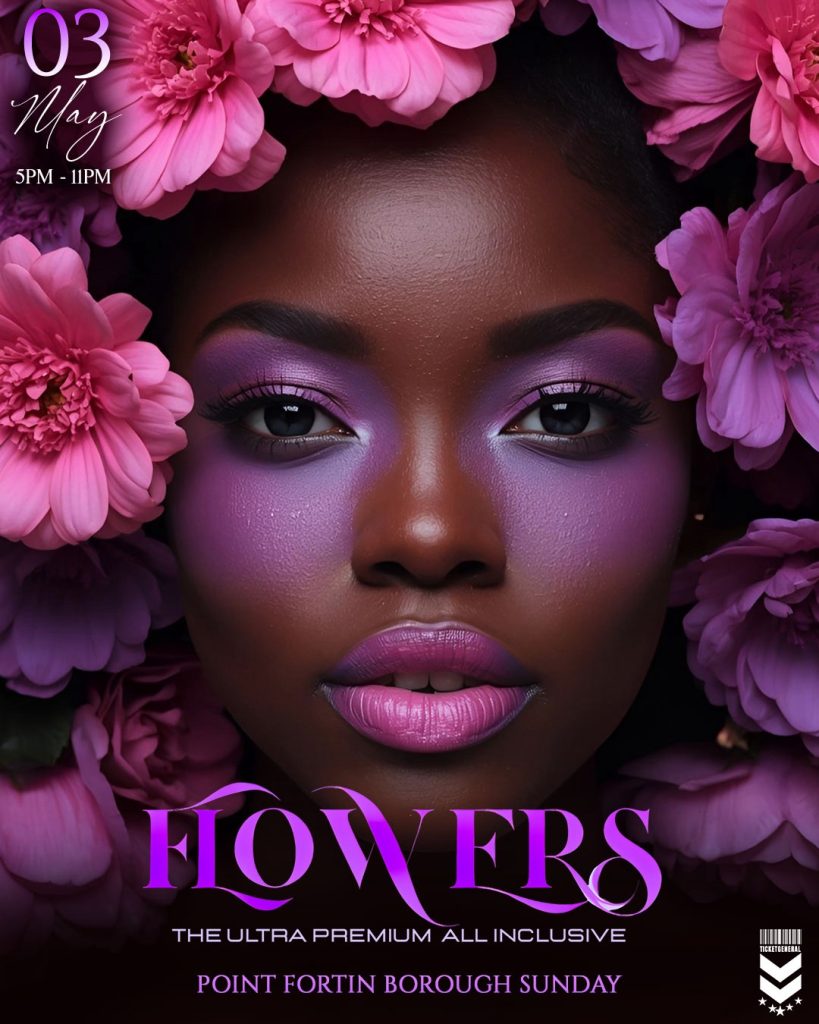
Set to welcome fete lovers from 5pm on Sunday at the Point Fortin West Secondary School, Flowers will feature a cast of talented artistes, inclusive of Nadia Batson and Lyrikal. “We want to raise fund in style and with high quality at heart, hence the reason the event’s caliber is high. This is going to be a first for Point Fortin,” said Naya George.
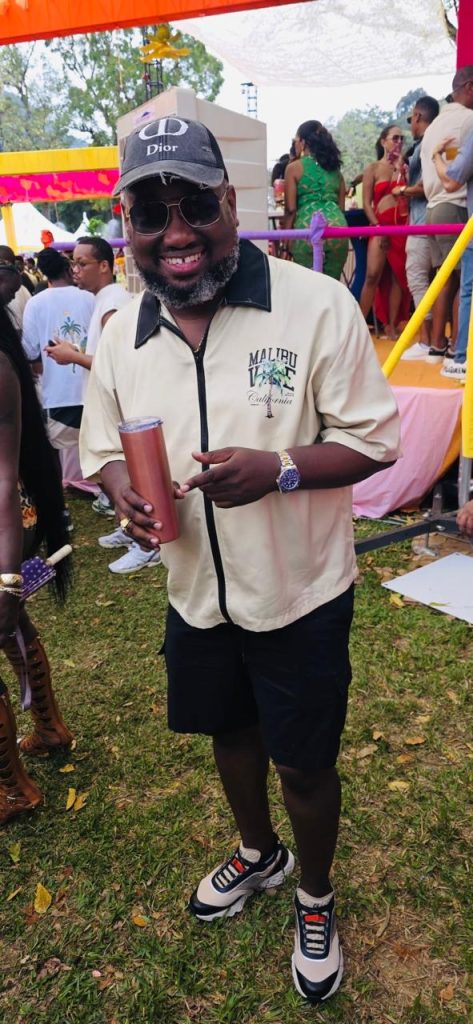
The Point Fortin Borough experience is widely attended, with a series of cultural events leading up to the weekend of excitement that is anticipated by locals and visitors alike, each year. “Flowers has set the tone for the Borough Day evolution I think,” said Naya George. “Fusion came to an end last night,” noted Anson. He said the cultural extravaganza, which was similar to Carnival’s Flava Village, was a huge success and noted the wide variety of cultural traditions, shared between April 25th and April 30th. “If people can jump on a plane to experience Grenada carnival, we are certain they can come from West and North Trinidad to enjoy the Point Fortin Borough activities,” said Anson, making it clear that ahead of the upcoming weekend, hotel and guest house occupancy is already high.
“Borough is like a second carnival,” said Anson. He said there are fetes happening throughout the day on Friday. “When you come, you get a taste of everything you get in carnival. You get the fetes, the all inclusive, the jouvert, the street food, the culture,” he highlighted, and this year, for the very first time, fans of culture, creativity and altruism, will fete with purpose at Flowers – a distinct, top tier, premium all inclusive experience in the heart of the borough.
Tickets for the event are available online at Stacy’s House Of Hair – Point Fortin, Atherley’s By The Park – San Fernando, Terminal 4 – Long Circular Mall and online at theticketgeneral.com.
Caribbean Buzz
Caribbean Youths Zealously Welcome American Streamer, IShowSPEED.

-

 Music News1 week ago
Belmont, Trinidad Delivers On ‘Hill and Gully’ Riddim. Anisha Pleas for Peace.
-

 Ebuzz News6 days ago
Denise Belfon’s OVO Package from Drake, Included a Dominos Game.
-

 Be The Change4 days ago
Season of Anansi Returns, Bringing Folklore, Afro-Futurism and Epic Storytelling to a New Generation.