Caribbean Buzz
Archived: Jamaican Dancehall Artist, Sean Paul Is Walking The Talk.

On the heels of the release of his seventh studio album, ‘Live N Livin’, dancehall artist, Sean Paul has released the visuals for one of his tracks “Everest,”which features dancehall artistes Masicka and Skillibeng.

The video was directed by Kieran Khan Productions and was shot in Kingston, Jamaica. The portrayal signifies the idea of “collaboration over confrontation,” which Sean Paul delivers throughout the album. “As the great Capleton says, music is a mission, not a competition. I believe we should use music to make a joyful noise unto the Lord. The division in our genre, many times is senseless,” he said, adding, “We are all here to entertain our fans, provide for our loved ones and live a good life. Together we can be so much more powerful if we collaborate, instead of segregating ourselves and our crews. Everest is a perfect example of that.”
The internationally recognised entertainer highlighted the production skills of Demarco and thanked fellow artistes, Masicka and Skillibeng for their involvement.
Sean Paul is currently gearing up for his virtual Dreamstage performance on Saturday, May 8 live from Jamaica.
SEAN PAUL ON TRINIBAD STYLE.
Over the past few weeks, Sean Paul has appeared on several Trinidad and Tobago media platforms. He’s discussed the Trinibad music genre in various contexts, even rating the talent of some of the artistes who are a part of the movement.
One of the most recent expressions covered by Overtime TT and published in the Newsday newspaper hears the artist call for balance. “This music is to tell people what’s going on in our lives and I encourage people fi talk the truth every time. A lot ah time now we kinda embellishing or over exaggerating or over glorifying ah violent type ah lifestyle like it is the realist thing – like we get up every morning and drink we tea and buss gun inna boy head – and that ain’t true, or else there would be none of us left on earth. Scene? So, that’s my only thing with the badness: meh just wha big up everybody who ah do music and say yes, yuh must reflect the badness that is in society cause yeah, because that is what the music is for, but also tell the real story dem – tell de story when yuh shoot somebody an afi go hide inna hill and yuh cyah see yuh baby mother nor yuh baby dem for months, yuh understand?. He went on to tell the TriniBad artiste, “Tell de story when police ah come look fuh yuh and yuh frighten and yuh paro because yuh cyah even trust yuh best friend cause dem will sell you out cause dem know wha yuh do. So tell dem story dey too, not just the ones where you afi the baddest ting and no boy cyah test cause if dem test ah pure problems and violence!”
Sean Paul has called on the artistes to strike a balance in the music even as he saluted Trinidad and Tobago acts like Jahllano and Prince Swanny for keeping the dancehall genre alive and telling the stories of life in Trinidad.







Caribbean Buzz
Kes The Band’s ‘Roots, Rock, Soca’ Tour Concludes with Sold-Out International Success.
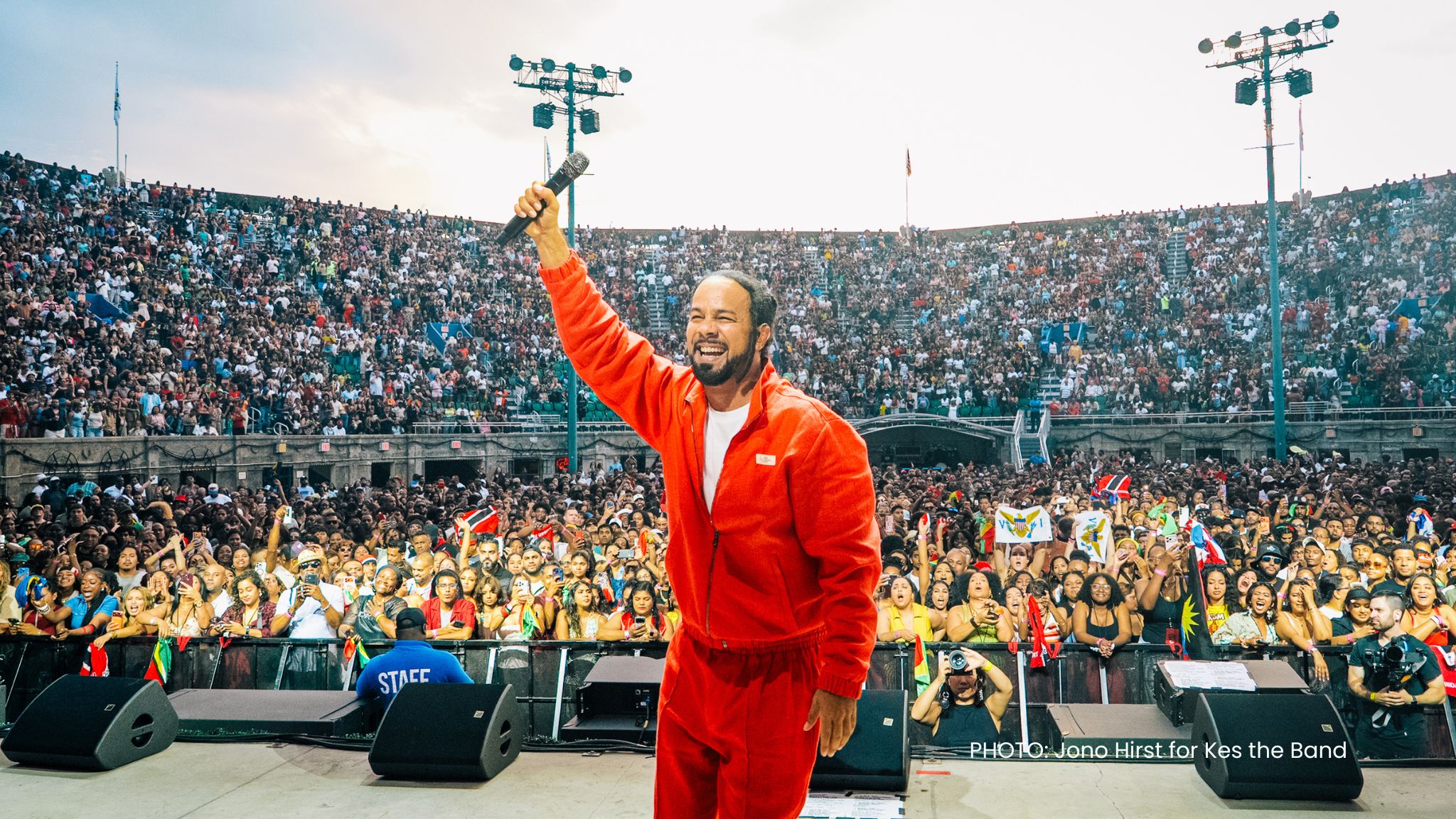
Kes the Band has officially concluded its highly acclaimed Roots, Rock, Soca Tour, marking another groundbreaking moment in the band’s remarkable journey. The international tour captivated audiences across the United Kingdom, Europe and North America – making history as the first Soca act to sell-out stadium shows in the United States and to sell out the RBC Amphitheater in Toronto, Canada with 16,000 fans.
The tour featured sold-out shows in major music cities such as London, Vancouver, Los Angeles, New York, and its final stop in Toronto – with thousands of fans gathering night after night to experience the signature sound, musicianship, and infectious energy that have made KestheBand one of the Caribbean’s most influential live acts.
The ‘Roots, Rock, Soca’ Tour became a celebration of culture, connection, and community. Each performance in the concert series showcased the band’s ability to transcend borders and generations, bringing together audiences from diverse backgrounds through music rooted in Caribbean identity. With energetic performances spanning storied venues such as Forest Hills Stadium in New York and The Bellwether in California, Kes the Band continues to cement its place in history as an enduring, generational force that bridges rhythms, unites audiences, and elevates the heartbeat of Caribbean culture in communities across global borders.
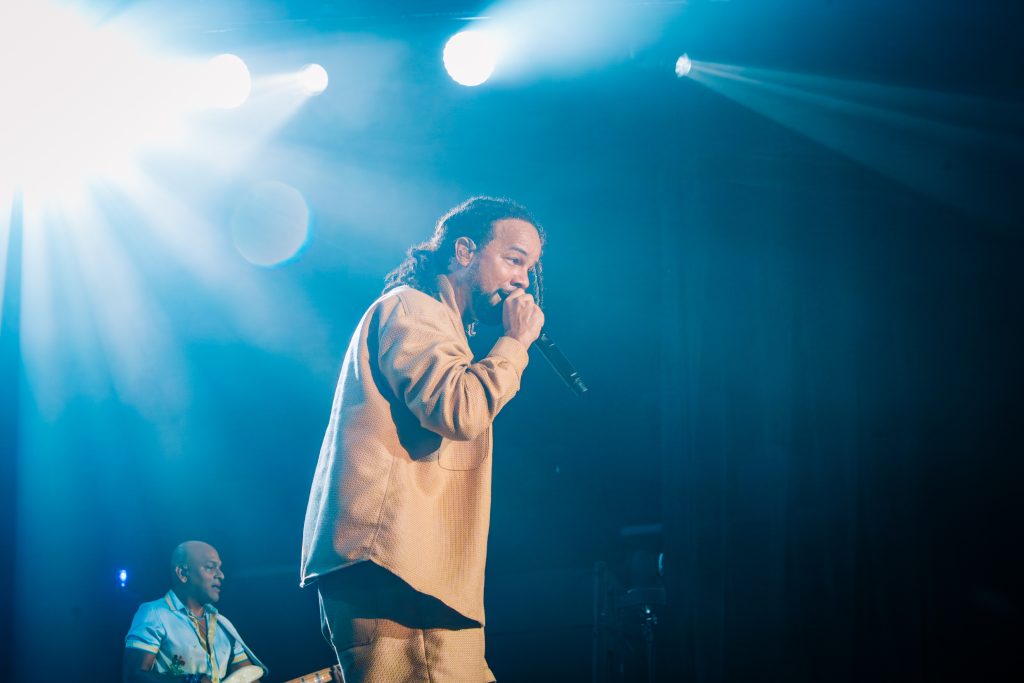
Led by charismatic frontman Kees Dieffenthaller, the band’s world-class lineup includes Dean Jameson drums, Jon Dieffenthaller on guitar, Riad Boochoon on bass, Mario Callender and Geiron Mangon keyboards, and Robert ‘Robbie Styles’ Persaud on DJ and Ableton. Together, they delivered dynamic performances that combined exceptional musicianship with the unmistakable spirit that has become synonymous with KestheBand.
Adding to the excitement throughout the tour were a number of memorable surprise guest appearances from some of soca’s most celebrated artists, including Coutain, Lady Lava, Barbados Soca legend Edwin Yearwood, Iwer George, London’s Haile of WSTRN, Haitian singer J Perry, and Ravi B. Their appearances created unforgettable moments for fans while highlighting the camaraderie and creative excellence that continue to define Caribbean music.
The overwhelming response to the tour underscores Kes the Band’s continued evolution from a beloved Caribbean band to a truly global cultural ambassador. Across every city, audiences embraced the music, creating an atmosphere that reflected the growing international appreciation for soca and Caribbean artistry.
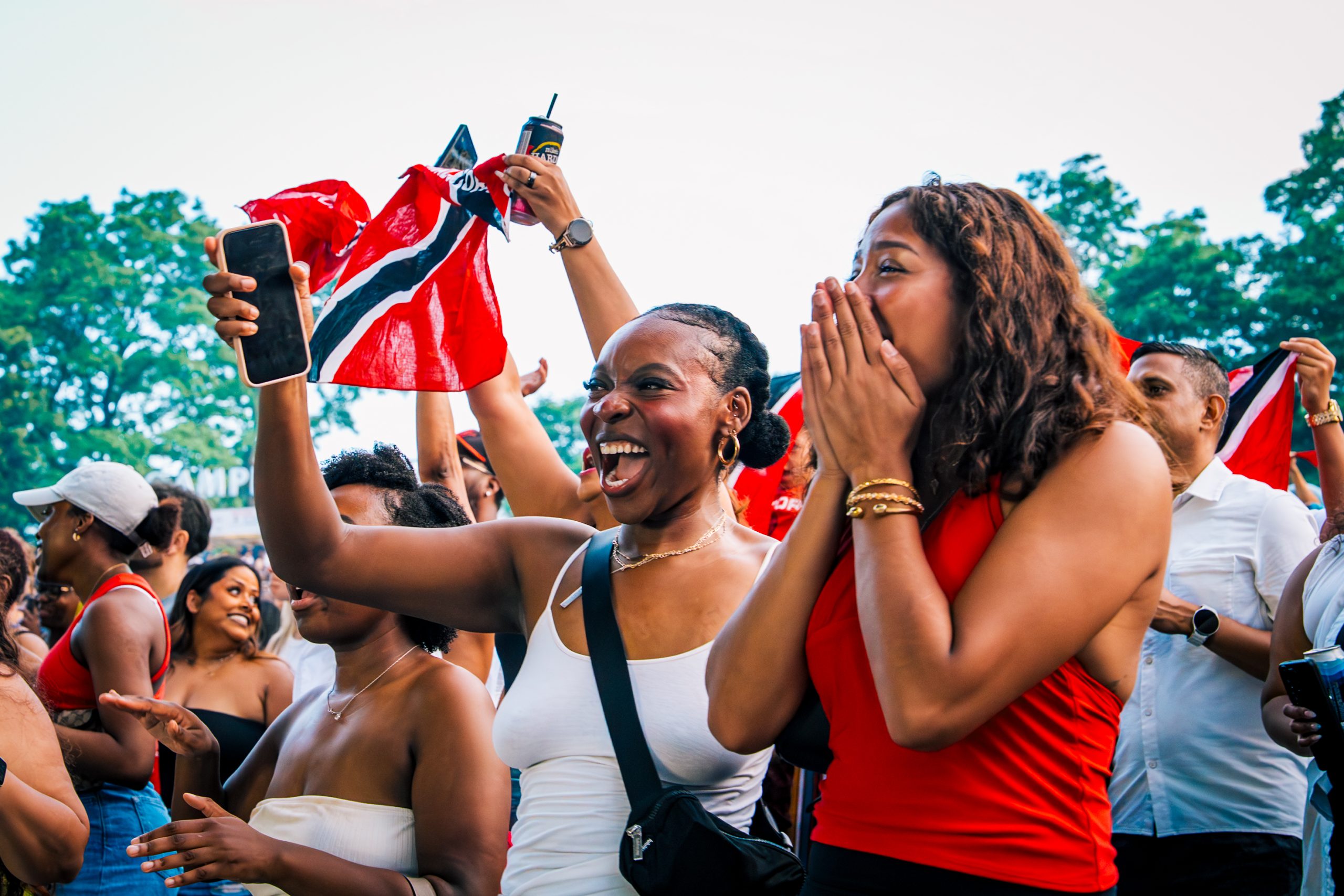
Photo: Jono Hirst.
As the curtain closes on the Roots, Rock, Soca Tour, Kes the Band is already focused on the next chapter. The band will soon return to the studio to begin work on new music for an upcoming album, continuing its tradition of pushing creative boundaries while staying true to the sound that has resonated with fans around the world.
The momentum also continues for Kes the Band on stage over Labor Day Weekend as the iconic group takes the stage at the DC Jazz Festival (DCJF), one of the United States’ premier music festivals, taking place September 2–6, 2026. Following the band’s debut on NPR Tiny Desk in the capital of the United States earlier this year, the band continues to expand its reach and introduce Caribbean music to new audiences on some of the world’s most respected stages.
With decades of groundbreaking music, unforgettable live performances, and an unwavering commitment to cultural excellence, Kes the Band continues to redefine what’s possible for Caribbean artists on the global stage. The success of the Roots, Rock, Soca Tour is both a celebration of an extraordinary series of performances and a defining chapter in the band’s enduring legacy, setting the stage for an exciting new era of music and global performances.
Caribbean Buzz
Charly Black, Kevin Lyttle Release ‘Summer Banger’ Produced by Global Hitmaker, Walshy Fire.

Two of the Caribbean’s most legendary hitmakers have joined forces for what is shaping up to be one of the Caribbean’s biggest records of the year.
Dancehall superstar Charly Black, whose global smash “Gyal You A Party Animal” has amassed more than one billion streams worldwide, joins forces with St. Vincent Soca hit maker, Kevin Lyttle, whose timeless international hit “Turn Me On” has generated hundreds of millions of streams. That single remains one of the most recognizable Caribbean songs ever recorded.
The single, “Island Ting,” unites the music of Jamaica and St. Vincent & The Grenadines, celebrating the beauty, confidence, and irresistible energy of island women. More than just a song, “Island Ting” is a celebration of the Caribbean, its vibrant diaspora, and everyone around the world who embraces the region’s unmatched culture, music, and love of celebration.
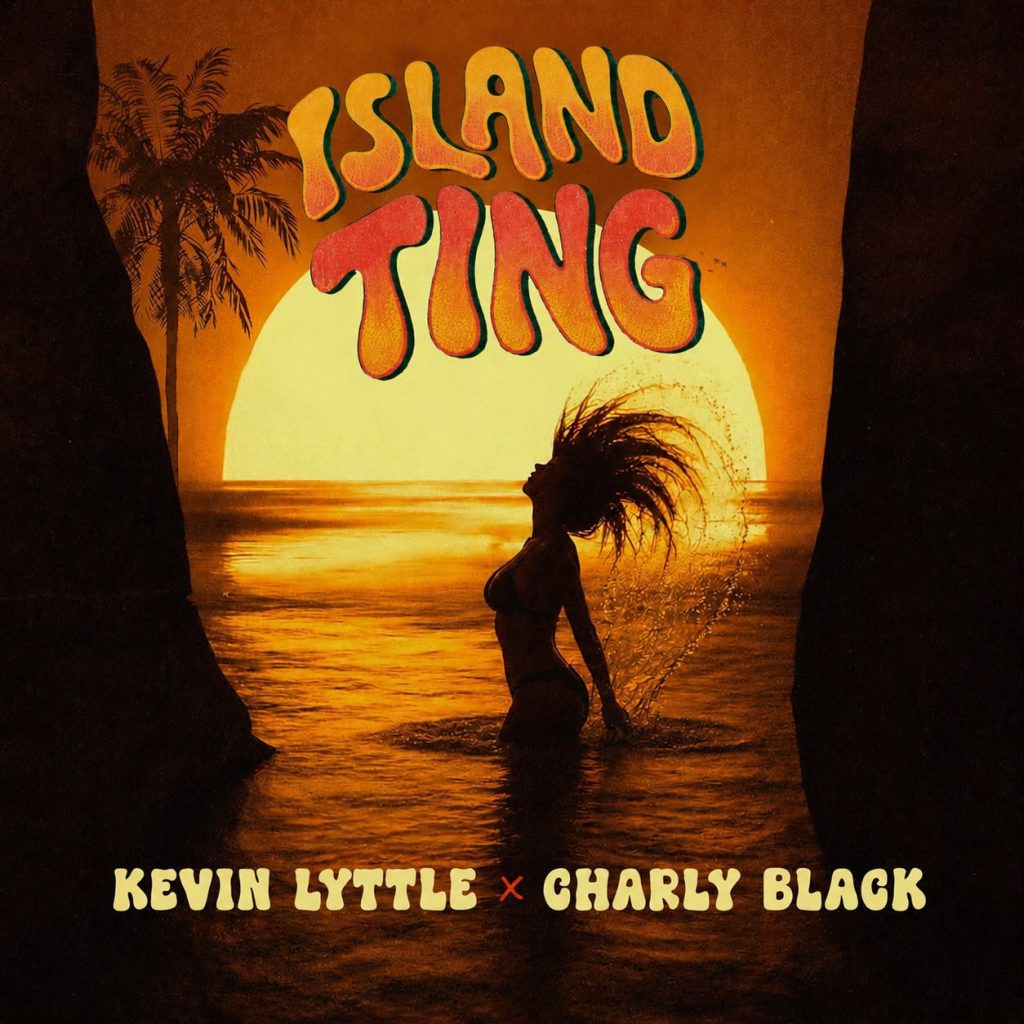
Blending irresistible Dancehall and Soca influences with an unmistakable tropical vibe, the record is poised to become the soundtrack of the summer, says a media release issued.
Produced by well known international producer, Walshy Fire, with the instrumental crafted by acclaimed producer Jason Julian, “Island Ting” is already making waves across the streaming landscape. The single has secured significant editorial playlist support from Apple Music and Spotify, with Spotify further backing the release through premium placement on its coveted Mobile Home Banner – one of the platform’s most prominent promotional spaces for new music.
Industry insiders are already tipping “Island Ting” as one of the Caribbean’s defining songs of the summer, with momentum expected to carry through Notting Hill Carnival, into Trinidad Carnival 2027, and beyond. From beach parties and festivals to clubs, radio, and playlists around the world, the record has all the ingredients of a timeless Caribbean anthem.
“Island Ting” is available now on all major streaming and digital platforms.